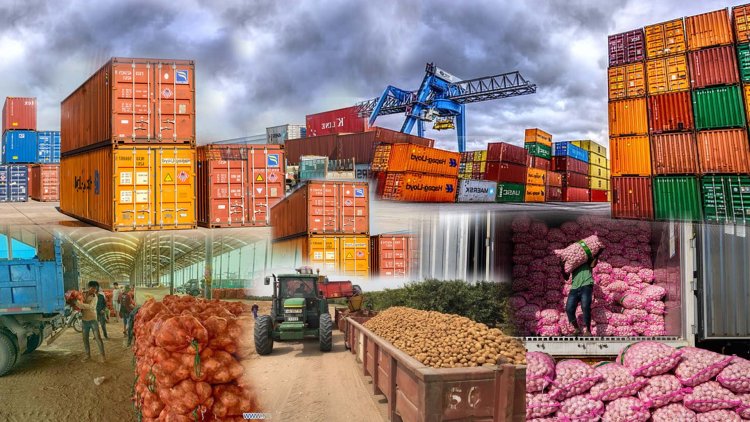
Food exports play a major role in the global economy, with countries around the world relying on the trade of food products to support their agricultural industries and meet the demands of consumers. From fresh produce to processed goods, food exports represent a significant portion of many countries’ overall exports, making them an essential component of international trade.
In this article, we will explore the importance of food exports, the challenges and opportunities that come with exporting food products, and the impact that food exports have on both domestic economies and global food security. By understanding the complexities of food exports, we can gain valuable insights into how these trade practices shape our interconnected world and influence the way we produce, consume, and distribute food on a global scale.
The Impact of Food Exports on Global Economies
Food exports serve as a critical source of revenue for many countries, contributing significantly to their overall economic prosperity. The trade of food products not only supports local farmers and producers but also strengthens a country’s position in the global market. By exporting a diverse range of food items, countries can tap into new markets, create jobs, and stimulate economic growth. Additionally, food exports play a crucial role in balancing trade deficits and fostering relationships with trading partners around the world. The Food Exports To Asia have been particularly instrumental in driving economic development and promoting cross-cultural exchange between Asian countries and the rest of the world.
Challenges and Opportunities in Food Export Trade
While food exports offer numerous benefits, they also present challenges that must be navigated by exporters. One of the main obstacles is meeting stringent quality and safety standards imposed by importing countries, which require adherence to strict regulations to ensure the health and well-being of consumers. Additionally, fluctuations in market prices, currency exchange rates, and geopolitical tensions can impact the profitability of food exports. Despite these challenges, there are abundant opportunities for growth and expansion in the food export trade. Developing innovative products, leveraging technology for efficient distribution, and exploring emerging markets are all strategies that exporters can employ to capitalize on the vast potential of global food trade. By embracing these opportunities and overcoming obstacles, countries can enhance their competitiveness in the international marketplace and contribute to sustainable economic development.
In conclusion, food exports play a vital role in shaping global economies by driving economic growth, creating jobs, and fostering international relationships. While facing challenges such as quality standards and market fluctuations, food exporters also have abundant opportunities to expand their reach and increase profitability. By embracing innovation, utilizing technology, and exploring new markets, countries can enhance their competitiveness in the global marketplace and contribute to sustainable economic development. Ultimately, the trade of food products not only supports local farmers and producers but also promotes cross-cultural exchange and strengthens international trade relationships, making it an essential component of the interconnected world we live in today.
Leave a Reply