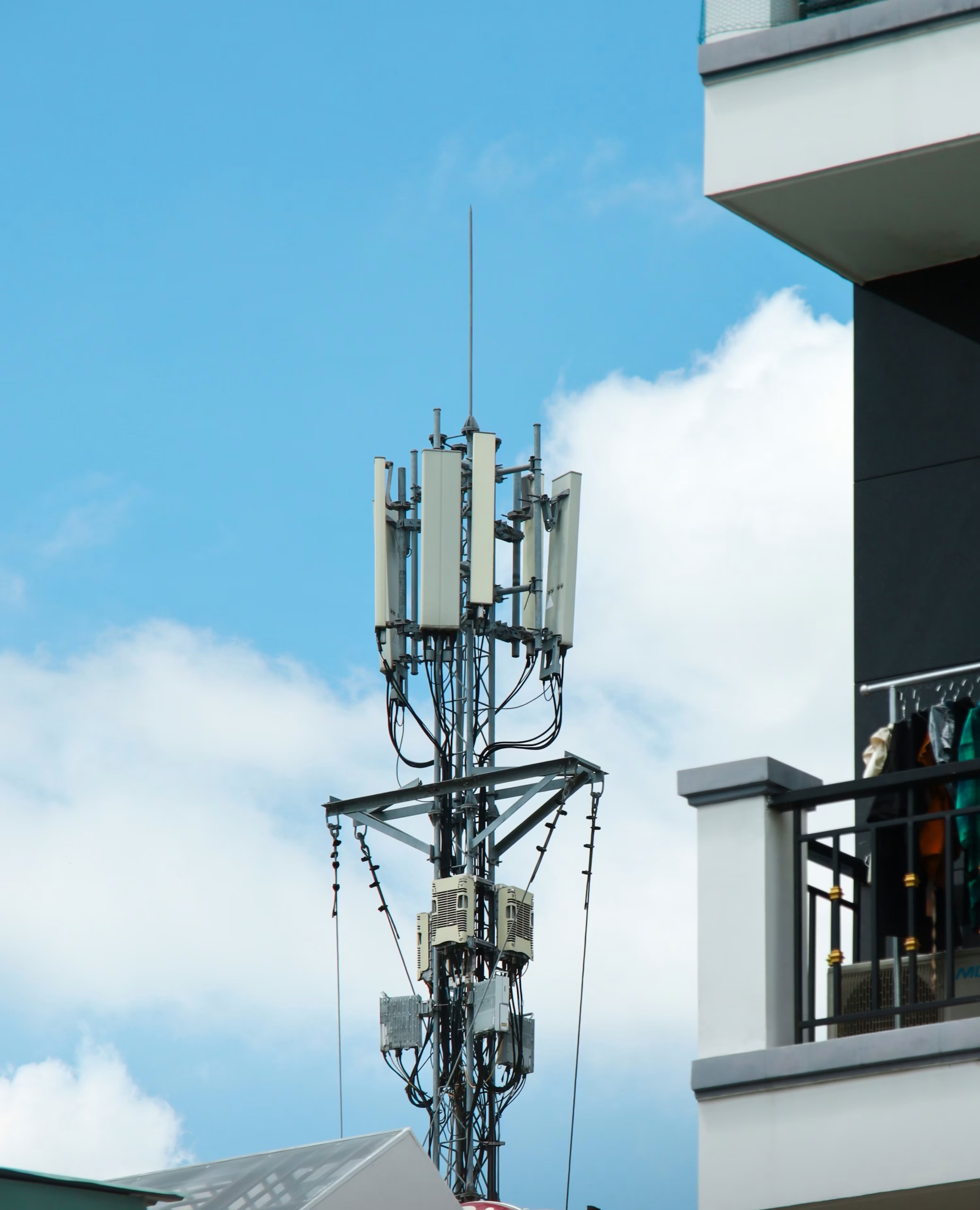
In an increasingly connected world, cell towers play a crucial role in providing reliable communication and data services. For property owners, leasing land for cell tower installation can present a unique opportunity not only to generate passive income but also to contribute to the infrastructure that supports modern technology. Understanding the intricacies of cell tower leases is essential for anyone considering this option, as it encompasses various legal, financial, and logistical factors.
This article delves into the fundamentals of cell tower leases, exploring how they work, the benefits they offer to landowners, and the key considerations involved in negotiations with telecommunications companies. Whether you’re a property owner looking to monetize your land or simply curious about the telecommunications landscape, a comprehensive understanding of cell tower leasing can provide valuable insights and help you navigate the complexities of this growing industry.
Understanding Cell Tower Leases
Cell tower leases typically involve long-term agreements between property owners and telecommunications companies. These agreements stipulate the terms under which the company can use the land for installing and maintaining cell towers. Most leases provide property owners with monthly rental income, which can be an attractive financial incentive. Additionally, landowners often benefit from improved mobile coverage in their area, increasing the value of their property. However, it’s crucial to carefully review lease terms and understand maintenance responsibilities, compensation structures, and potential impacts on the land.
Negotiating Lease Terms
When negotiating lease terms, landowners should aim to secure favorable conditions that protect their interests while accommodating the needs of the telecommunications company. It is advisable to consult with legal and financial experts who specialize in this area to ensure that the lease is equitable. Landowners may also consider options such as a cell tower lease buyout, which can provide a lump sum payment in exchange for the future earnings from the lease, allowing them to maximize financial gains upfront. By being informed and proactive during negotiations, property owners can foster a mutually beneficial relationship with telecom providers while optimizing their land’s potential.
In conclusion, entering into a cell tower lease can be a strategic decision for property owners looking to leverage their land for both financial gain and community benefit. By understanding the fundamental aspects of these leases and engaging in thorough negotiations, landowners can ensure that they secure favorable terms that align with their goals. With the growing demand for enhanced mobile connectivity, the role of cell towers is only set to increase, making it essential for property owners to educate themselves about the leasing process and actively participate in shaping agreements that protect their interests while contributing to the advancement of telecommunications infrastructure. Ultimately, informed decision-making in this realm can lead to sustainable income and a positive impact on local connectivity.
Leave a Reply